April 7, 2026
The Rise of Virtual Reality Travel
Why VR Travel Is Becoming So Compelling
Not everyone can jump on a plane whenever they want. Time, budget, health, and accessibility all shape when and how we travel. That is exactly where virtual reality travel is becoming so compelling — not as a replacement for real-world travel, but as a powerful new way to experience places that might otherwise feel out of reach.
With a Meta Quest headset and the right app, you can find yourself standing beneath the Eiffel Tower, drifting through the canals of Venice, wandering through the streets of Tokyo, or watching the sun set over Cape Town — all without leaving home. What once sounded futuristic is now surprisingly accessible, and for many people, genuinely meaningful.
How VR Travel Works

VR travel apps recreate real places using technologies such as 360-degree photography, immersive video, and photogrammetry, which turns photographs into detailed 3D environments. When you put on a headset, you are no longer just looking at a destination on a screen — you are placed inside it, free to look around naturally and take in the atmosphere.
Different apps offer different kinds of experiences. Some, like Wander, rely on Google Street View and are useful for broad exploration or checking out specific addresses. Others, such as BRINK Traveler, use photogrammetry to create interactive 3D environments you can move through. And then there is TriptoVR, which takes a more cinematic and immersive approach by offering professionally captured travel experiences designed to make you feel as though you are truly there.
That difference matters. Rather than simply browsing locations, TriptoVR focuses on the feeling of being transported — something that makes VR travel not just interesting, but emotionally engaging.
Why VR Travel Matters
A Better Way to Discover the World

VR gives you a much stronger sense of place than a photo gallery or standard video ever could. You are not just seeing a destination — you are experiencing its scale, atmosphere, and mood. That makes VR travel appealing not only for entertainment, but also for travel inspiration. It can help people discover destinations they may want to visit in real life, or simply enjoy places they might never otherwise get to see.
Greater Access for More People
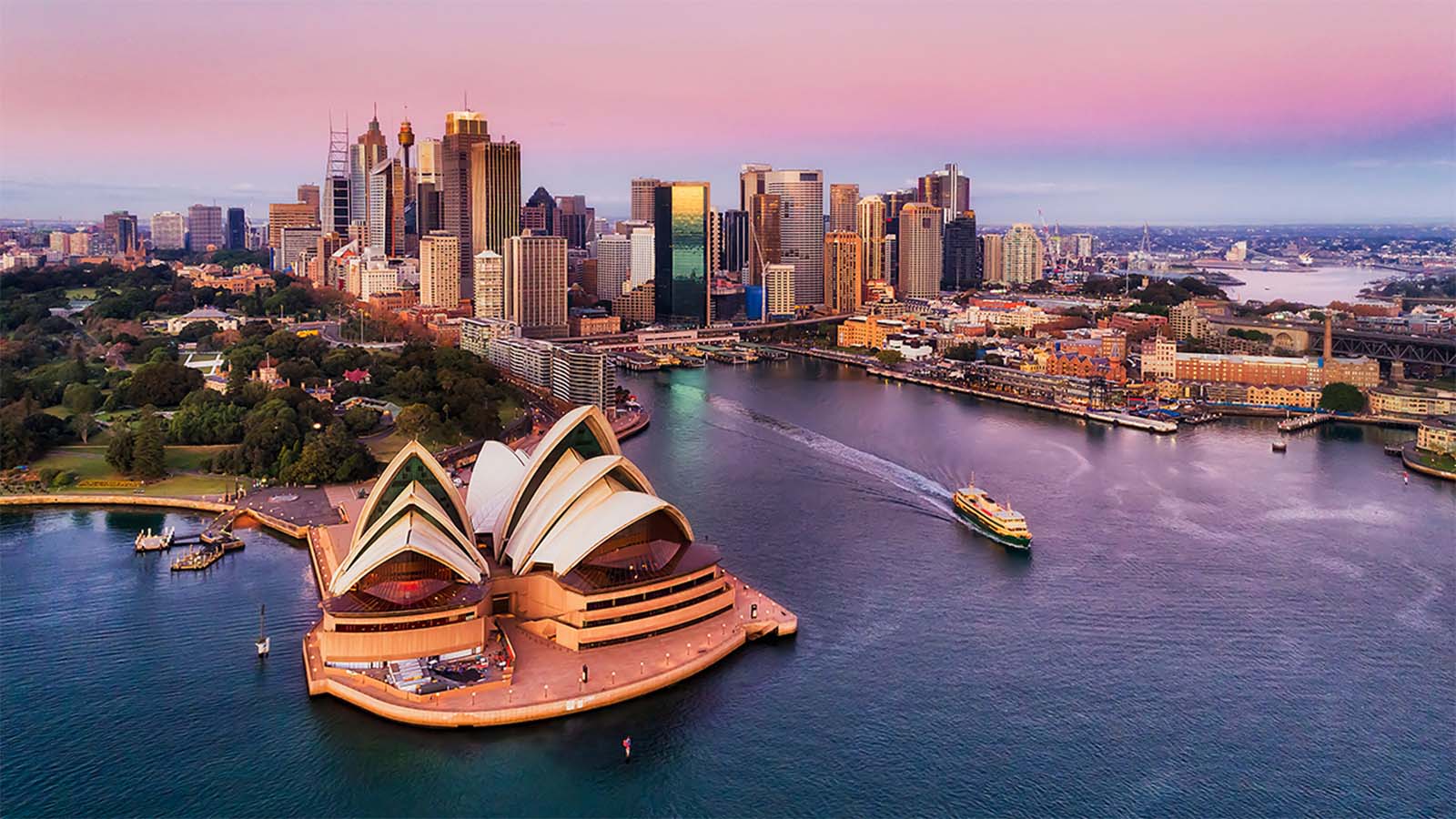
One of VR travel’s biggest strengths is accessibility. For people with mobility limitations, chronic illness, anxiety about flying, or age-related restrictions, it opens the door to places that may be difficult or impossible to visit physically. Destinations like Machu Picchu, the Sydney Opera House, or the Grand Canyon suddenly become far more reachable.
In that sense, VR travel is not just convenient — it can be genuinely empowering.
Education, Curiosity, and Cultural Discovery
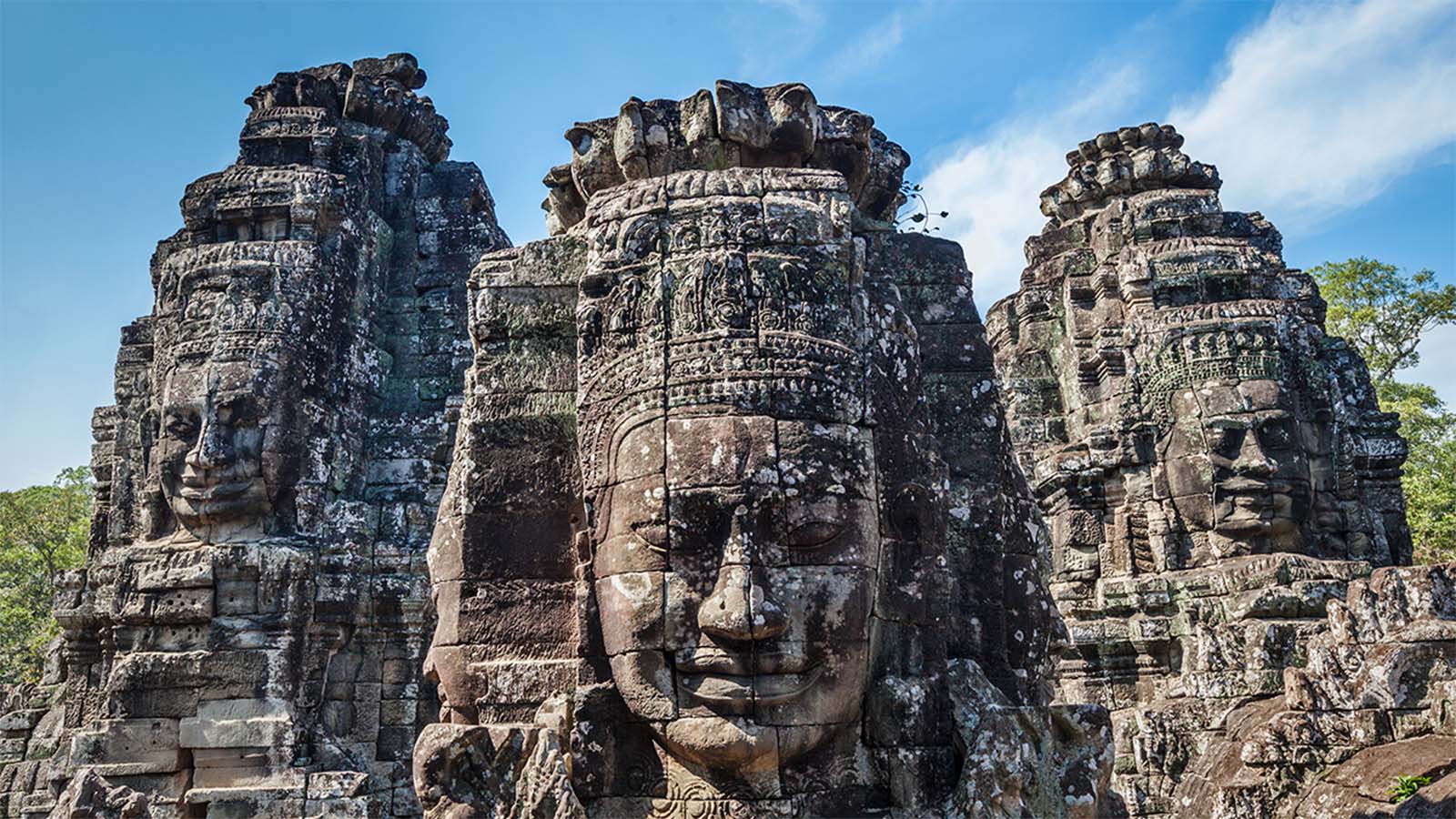
VR also has real value in education. It can bring geography, history, and culture to life in a way that textbooks and flat videos often cannot. Students can explore iconic landmarks and faraway environments in a far more vivid way, while curious adults can satisfy their wanderlust and learn more about the world from home.
Relaxation and Mental Escape

This is one of the areas where TriptoVR stands out most clearly. VR travel is not only about seeing new places; it is also about how those places make you feel. Putting on a headset and spending a few minutes in a beautiful, calm destination can create a real sense of escape from everyday routines.
TriptoVR is especially strong here because its destinations are professionally captured and designed to be immersive, polished, and relaxing. That makes it ideal not just for exploration, but for unwinding, resetting, and enjoying a moment of mental distance from a busy day.
What You Need to Get Started

Getting started with VR travel is simple. All you need is a Meta Quest headset — such as the Quest 2, Quest 3, or Quest 3S — and a travel app from the Quest Store. No PC is required, since the headset runs everything standalone.
Compared with traditional travel, it is also remarkably affordable. Many VR travel apps range from free to around fifteen euros, making them an easy way to explore the world from home with very little friction. Download an app, put on your headset, and you can be somewhere else in seconds.
Why TriptoVR Is a Great Place to Start
If you are trying VR travel for the first time, TriptoVR is one of the best places to begin. It offers more than 100 professionally captured destinations and focuses on visual quality, immersion, and the feeling of truly being away for a moment. That makes it more than just a tool for browsing places — it becomes a travel experience in its own right.
Where some apps are better suited for practical exploration or map-based wandering, TriptoVR is built to deliver atmosphere, escapism, and enjoyment. It is particularly well suited to people who want to relax, explore beautiful places, and experience the emotional side of travel in VR.
Virtual reality travel is no longer just a novelty. It is becoming a meaningful new category of travel experience — one that is accessible, affordable, and increasingly compelling. And for anyone curious about what that can feel like, TriptoVR makes a strong case for just how immersive virtual travel can be.
Learn more at triptovr.com.


